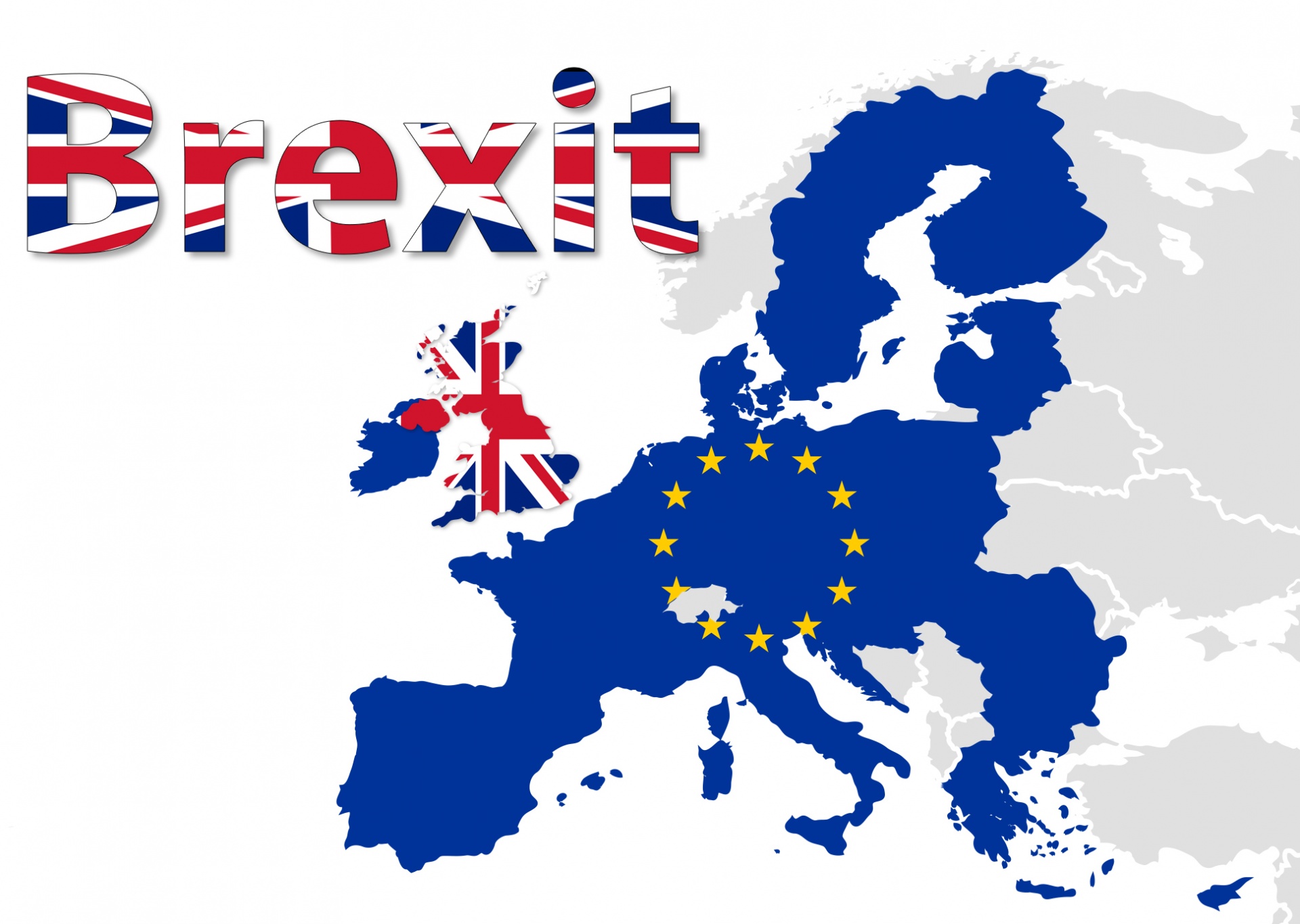
Brexit or Bremain?
There is still hope for a Bremain. All is not doom as United Kingdom (UK) would require the consent of 3 other parliaments (Scotland, Wales and Northern Ireland) plus London to agree on Brexit before UK can request to be out of the European Union (EU).
The ‘out of EU’ legislation that will be drafted by the London parliament needs to be approved by the other 3 parliaments before the UK can leave EU. This is in addition to requiring UK politicians to negotiate with the EU on the terms of the departure. The UK could also reject any separation deal given to them by the EU and remain as a member of the EU during the separation discussions.
The departure negotiations can only start after the UK have elected new Prime Minister; which is scheduled to be elected as early as October this year.
There is also hope for the UK to remain in the EU as there are Britons now calling for a second referendum, particularly after the surge in Google searches related to Brexit after it became a reality. 1.5 million Britons have signed a petition to have a second referendum conducted – that tawaran has garnered enough signatures for the second referendum tawaran to be discussed in the parliament.
However, PM David Cameron and Boris Johnson had played down the possibility of a second referendum. It is still unclear now if a second referendum might occur to undo the Brexit.
While the UK people have voted out of EU, the UK parliament has the rights to seek to remain in the EU. In a sense the referendum becomes like an opinion result. Of course the parliament will follow the public wish to protect their political career.
Recommended Post: Is MBS REIT Possible? Referendum to Leave on the Rise in Europe
France, Netherlands, Hungary, Italy, Denmark, Slovakia and Austria are all facing calls for a referendum by their citizens to leave the EU.
While many view this as a step backward towards the war-torn Europe period, I see this as a step forward towards solving the root perkara of the Euro-Crisis.
The UK leaving EU is definitely a bad choice for UK in the short-term (and maybe even the long-run depending on how you see it), but it sets up the stage required to push for the EU countries to leave the EU and subsequently the Euro dollar - the currency that triggered the Euro-Crisis.
In my view, Brexit fits two of Mr Soros’ view of aiding the recovery of Europe. UK is considered as a stronger member of the EU. Although Her leaving does not have direct impact on the value of Euro-dollar, it sets up stage for the rest of the stronger EU countries (like France) to want to leave the EU and the Euro-dollar. Furthermore, because it is a departure of a strong EU member, there is time on UK and EU side to discuss the terms of the separation, which can be set as the reference for future departures. This compared to if it was a weaker country (eg; Greece) who is in dire need for economic reforms; any delay could push them further into the economic brink of no return.
Ironically, this can be seen as using the UK as an example of what would happen to an EU country when it leaves the EU – especially if UK were to suffer long-term recession. This can be a driving factor for the rest of the EU members to realise that they need deeper integration and wider safety nets for one another instead of pushing for separation and economic disaster. However this can be a little long (at least 2 years) to watch how it would turn out and by then, maybe the populists and nationalists would have already taken over Europe and disintegrated the EU.
In another article detailing the conversation with Singapore's late MM Lee, the idea of a Euro-disintegration was also vaguely mentioned with "small players...role of supporting player", signifying individual European countries each surviving on their own.
Remember to offer your opinions. If you don't put your two cents in, how can you expect to get change?
Have a feedback? Tell us now!
Subscribe to us or
Follow us: on Facebook